17 December 2025
9 Most Interesting Museums to Visit in Sofia, Bulgaria
Explore Sofia's 9 best museums showcasing Bulgaria's rich history from ancient treasures to modern art

Head Party Planner & Experience Organizer, 150+ Stag Dos Hosted
Looking to plan an epic stag do?
Sofia might not top every traveler's bucket list, but the Bulgarian capital holds cultural treasures that rival any European city. From ancient Thracian gold to communist-era relics, the city's museums tell stories you won't find anywhere else.
Whether you're a history buff, art lover, or simply curious about Bulgaria's fascinating past, these museums fit perfectly into a weekend visit, this guide covers the most interesting museums in Sofia - just one of the many things to do in the Bulgarian capital—including a few off-the-beaten-path spots most tourists miss. Here's where to spend your time (and why each one is worth it).
1. National History Museum
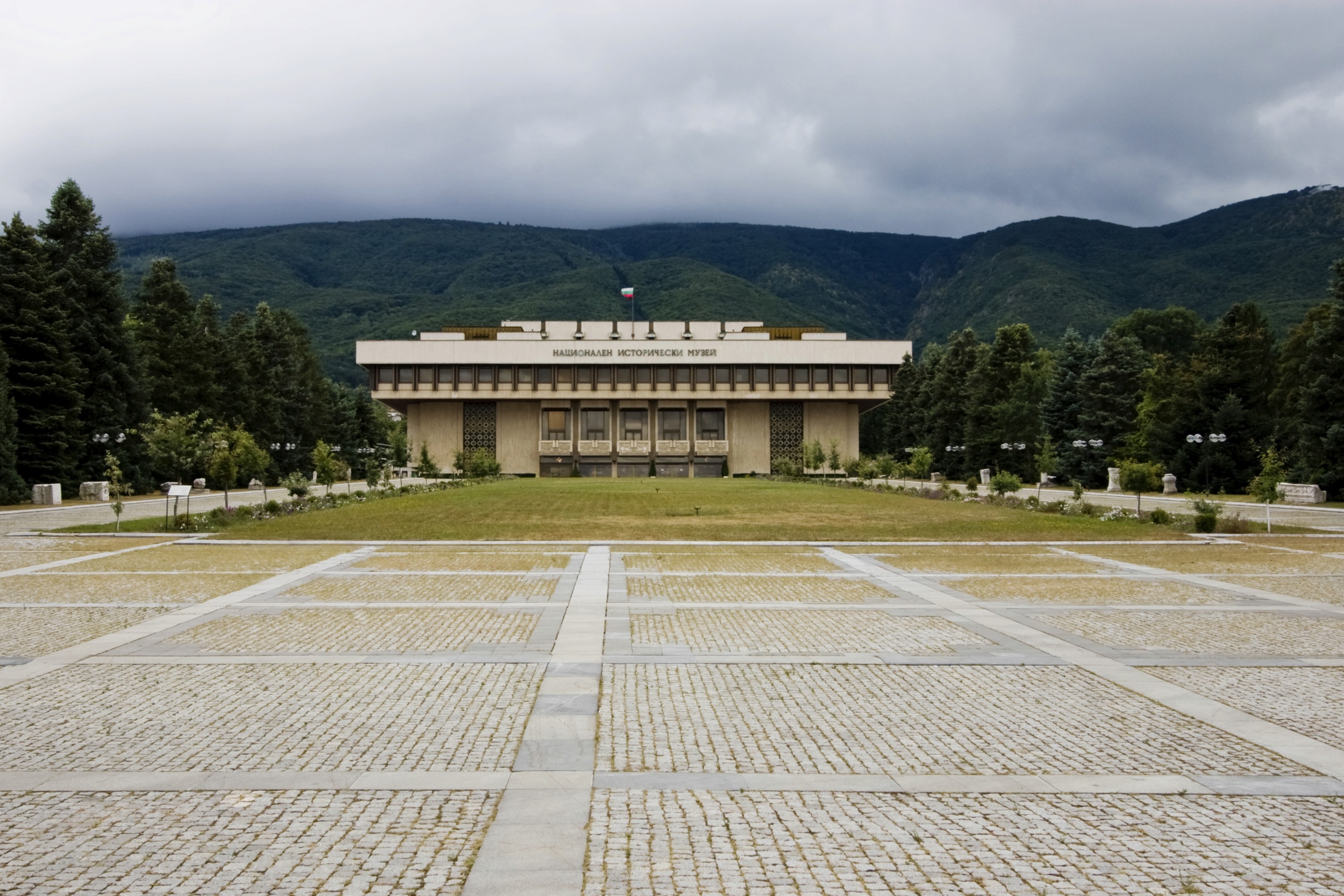
As Bulgaria's largest museum with over 650,000 artifacts, the National History Museum is one of my all-time favorite cultural destinations in Sofia. Housed in the former residence of communist leader Todor Zhivkov in the Boyana district, tthis vast collection takes you on an extraordinary journey through Bulgarian history. Book a private sightseeing tour to get expert context.
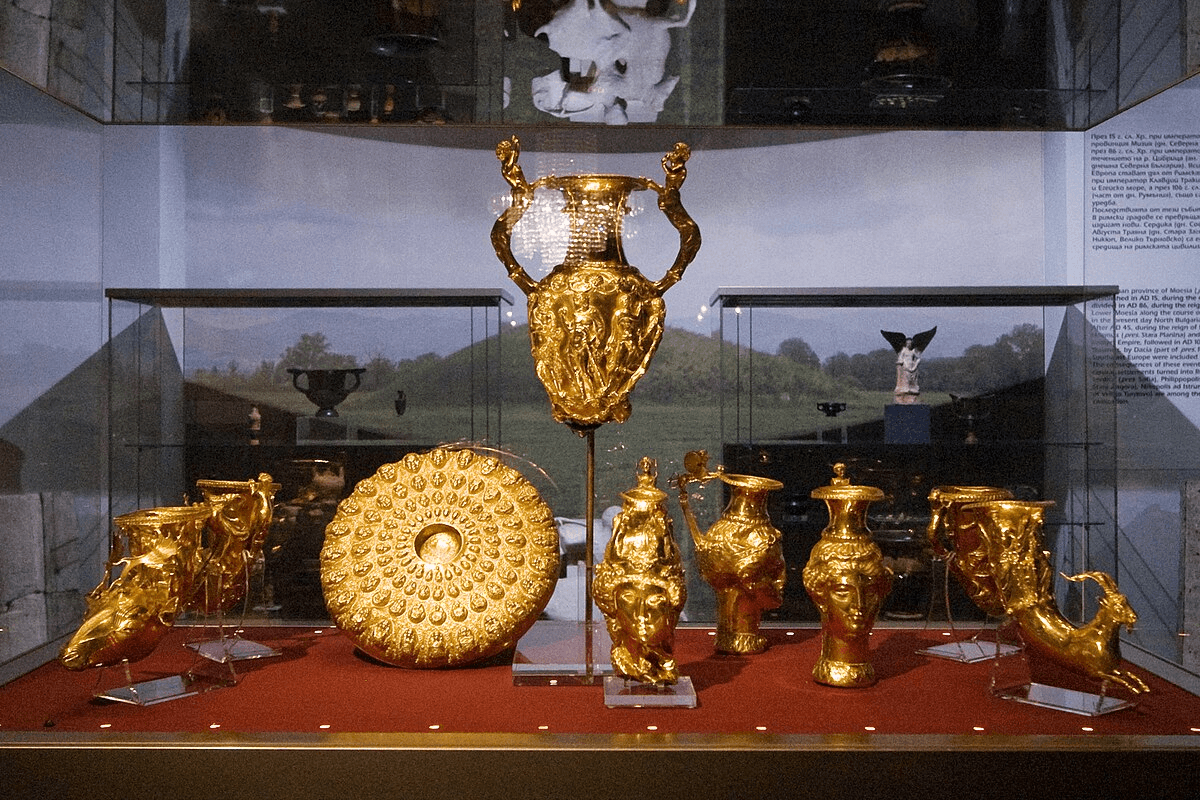
The museum's crown jewels are undoubtedly the Thracian treasures—exquisite gold and silver artifacts that showcase the remarkable artistry of ancient civilizations. Every time I visit, the Panagyurishte and Rogozen treasures leave me breathless with their intricate craftsmanship. The medieval section, featuring items from Bulgaria's First and Second Empires, provides fascinating insights into the country's golden age.
Address: 16 Vitoshko Lale Street, Boyana District
Hours: Summer (April-September): 9:30 AM - 7:00 PM; Winter (October-March): 9:30 AM - 6:00 PM daily
Entry: €5 (10 BGN) adults, €0.50 (1 BGN) students
2. National Archaeological Museum
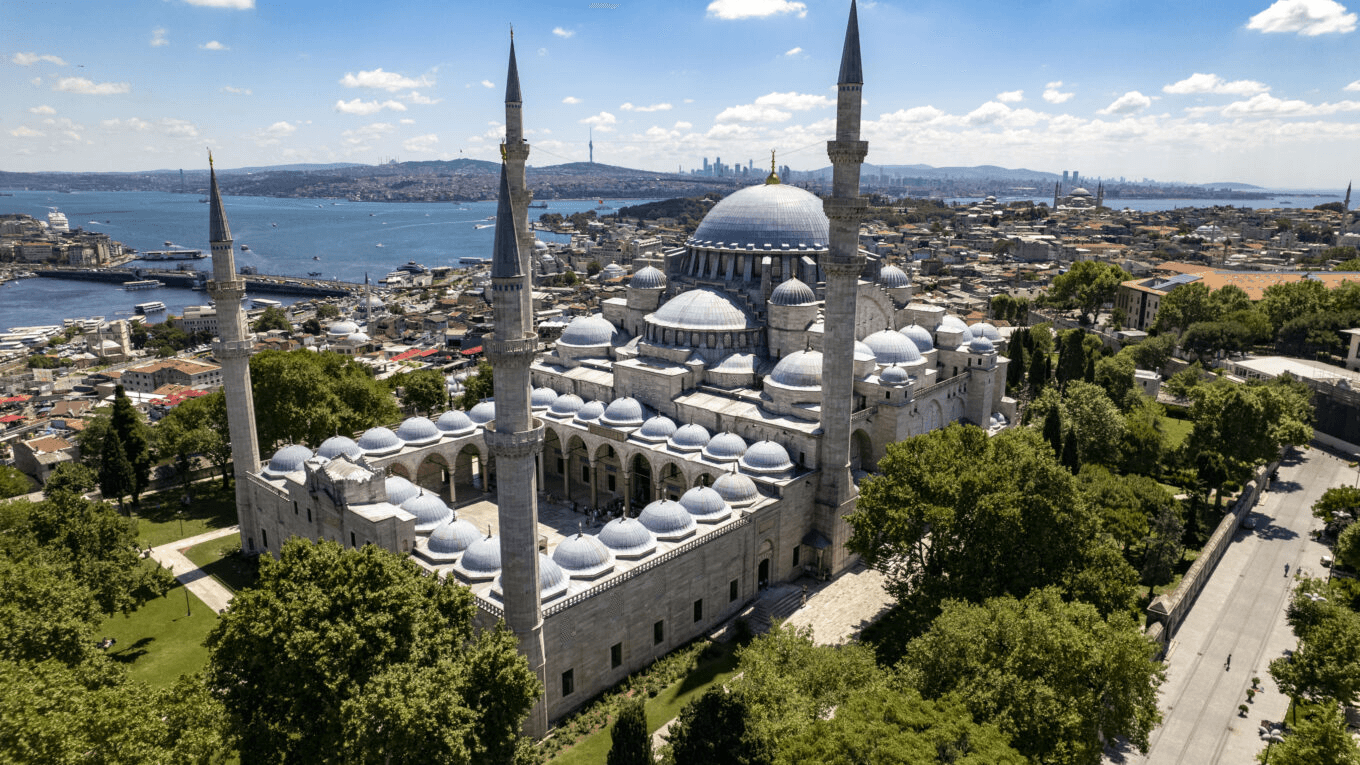
Located in a stunning 15th-century Ottoman mosque, the National Archaeological Museum holds a special place in my heart as Sofia's oldest museum. Established in 1893, it houses Bulgaria's most important archaeological discoveries spanning from the Paleolithic era to the Late Middle Ages.
What captivates me most here is the Thracian collection, particularly the bronze head of King Seuthes III—its realistic gaze feels like history staring directly at you. The main hall displays impressive Greek and Roman statues, while the Medieval Hall showcases beautiful religious icons and frescoes that tell the story of Bulgaria's Christian heritage.
Address: 2 Saborna Street, Sofia Center
Hours: May-October: 10:00 AM - 6:00 PM daily; November-April: 10:00 AM - 5:00 PM (closed Mondays)
Entry: €5 (10 BGN) adults, €1 (2 BGN) students
3. Museum of Socialist Art
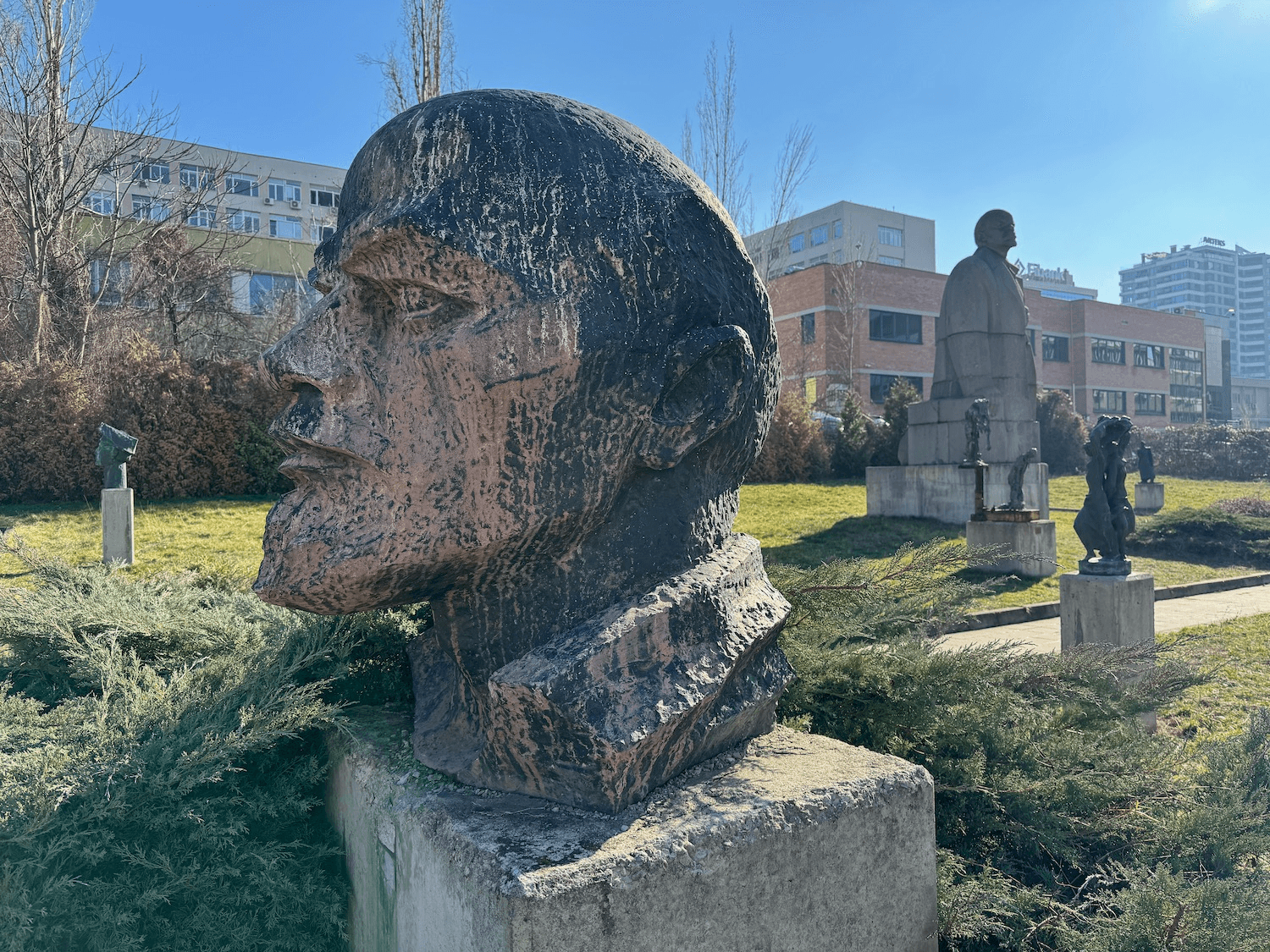
Opened in 2011, the Museum of Socialist Art is the only museum in Sofia dedicated entirely to Bulgaria's communist period (1944-1989). For deeper exploration, consider joining a communist tour, featuring an impressive outdoor sculpture park with over 70 monumental statues removed from public spaces after the fall of communism.
The highlight for me is seeing the massive red star that once topped the Communist Party headquarters and the imposing statue of Lenin that previously stood in central Sofia. The indoor gallery displays socialist realist paintings and propaganda posters that provide remarkable insights into the ideological art of the era.
Address: 7 Lachezar Stanchev Street, Sofia
Hours: Tuesday-Sunday: 10:00 AM - 6:00 PM (closed Mondays)
Entry: €4 (8 BGN) adults, €2 (4 BGN) students and seniors
4. The Red Flat
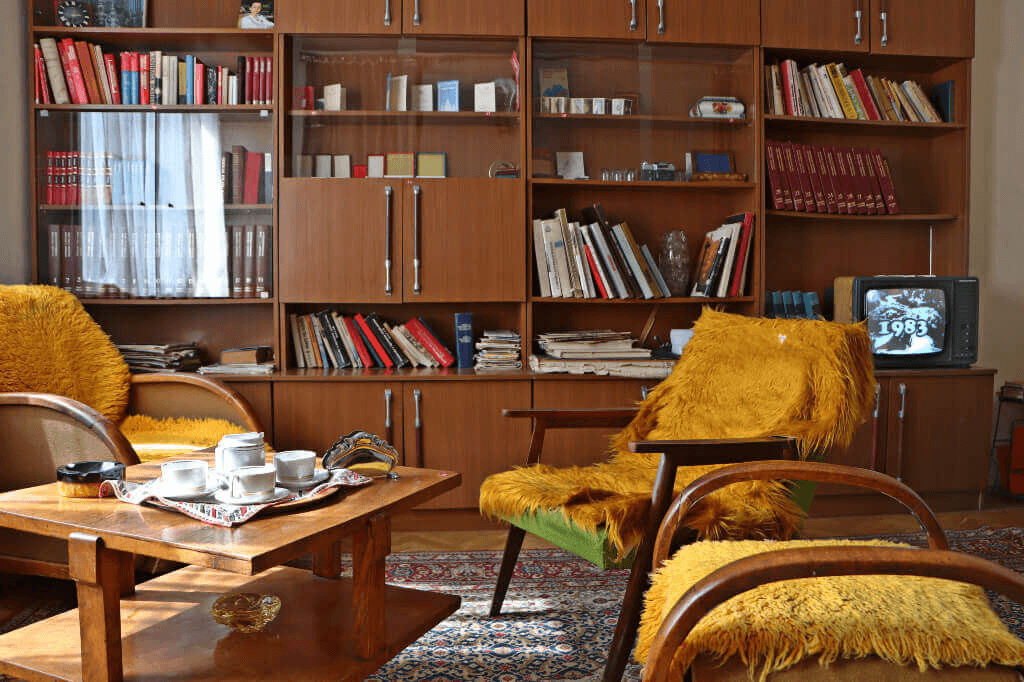
The Red Flat offers one of my most recommended immersive experiences in Sofia—a perfectly preserved 1980s Bulgarian apartment that transports you directly into everyday life during the communist era. Located in the heart of the city, this interactive museum encourages you to touch everything: flip through magazines, try on clothes, listen to vinyl records, and sample traditional Bulgarian treats from the era.
With an audio guide narrating the story of a typical Bulgarian family, you'll discover how people lived, worked, and found joy despite the restrictions of the regime. It's an intimate, personal glimpse into a world that shaped modern Bulgaria. The experience typically takes around 90 minutes if you listen to the complete audio guide.
Address: 24 Ivan Denkoglu Street, Sofia Center (entrance through Gifted Sofia)
Hours: Daily 10:30 AM - 6:00 PM
Entry: €9 (18 BGN) adults, €6 (12 BGN) children 6-17
5. Earth and Man National Museum
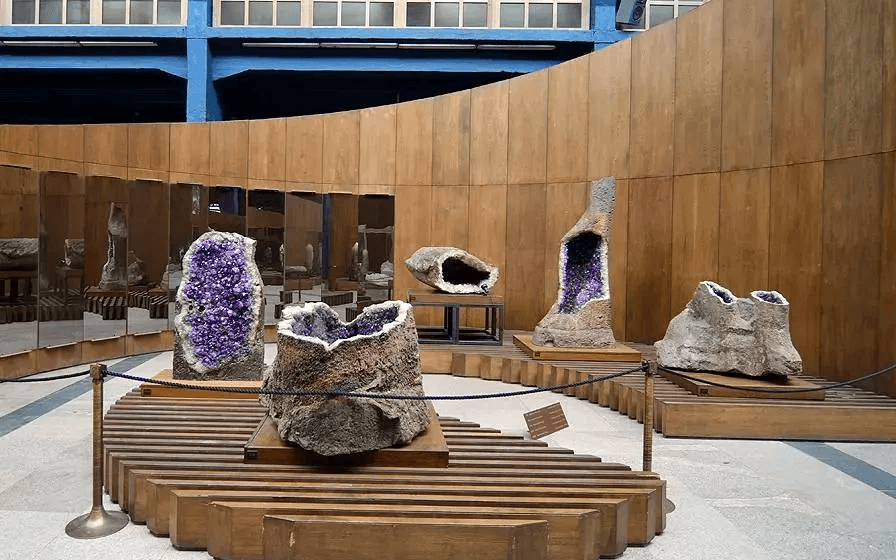
The Earth and Man Museum is one of the world's largest mineralogical museums. Housed in a beautifully restored 19th-century building, it displays an astounding collection covering 40% of all known minerals on Earth across more than 27,000 items.
The giant crystal room never fails to impress visitors with its massive amethyst geodes from Brazil, while the Bulgarian minerals section showcases the country's geological wealth. The museum also features fascinating exhibits on how minerals are used in everyday life, from smartphones to construction materials.
Address: 4 Cherni Vrah Boulevard, Sofia
Hours: Daily 10:00 AM - 6:00 PM (closed Christmas, New Year, Easter)
Entry: €5 (10 BGN) adults, €7.50 (15 BGN) family ticket, €1.50 (3 BGN) students/seniors
6. Sofia History Museum
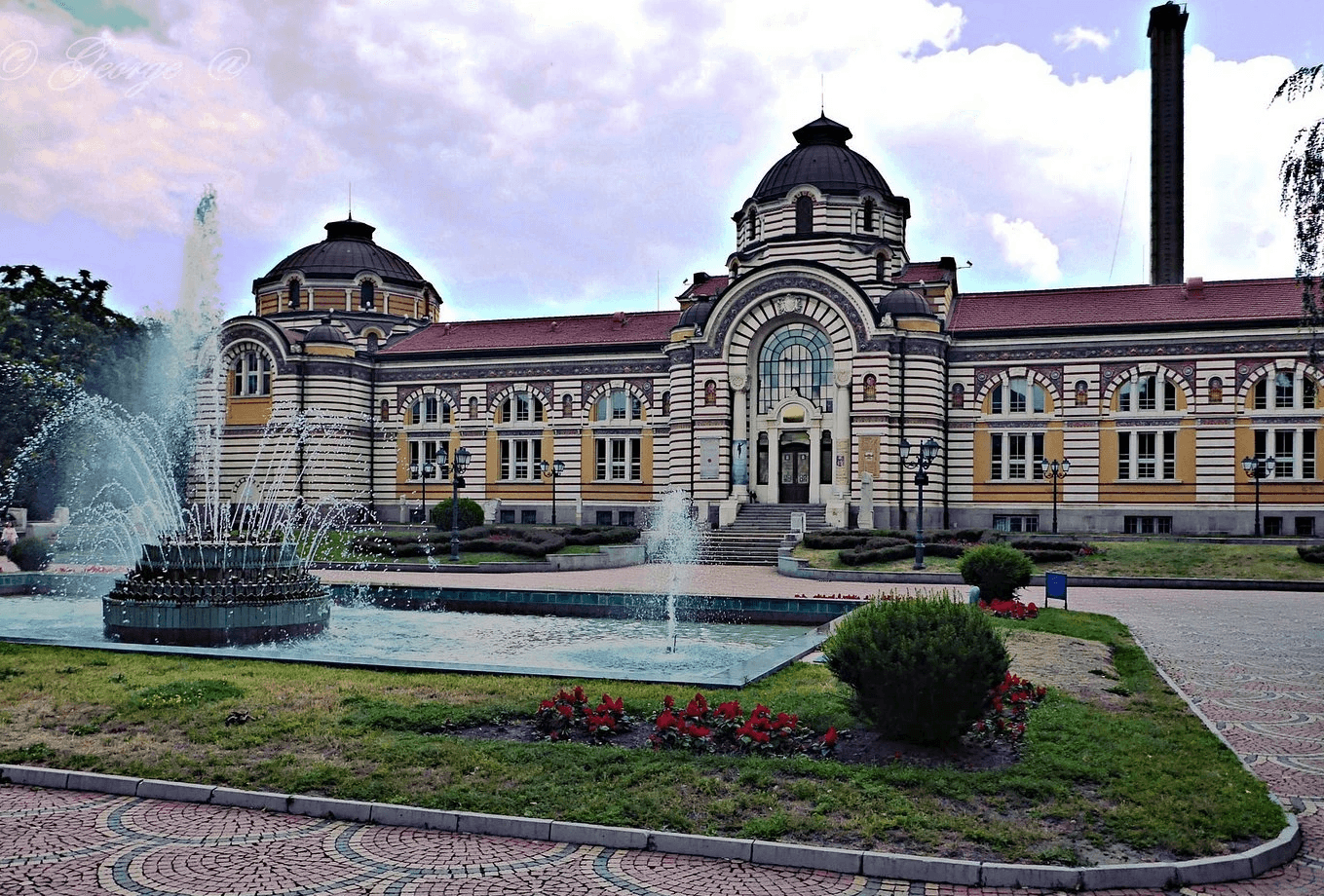
Housed in Sofia's magnificent former Central Mineral Bath building, the Sofia History Museum is where I always bring friends who want to understand the city's evolution from ancient Serdica to modern times. Include it in your 2-day itinerary from ancient Serdica to modern times. The building itself, with its stunning ceramic decorations and Byzantine-inspired architecture, is worth the visit alone.
The museum's permanent exhibition chronicles Sofia's 8,000-year history through archaeological finds, traditional costumes, and historical documents. I particularly enjoy the vintage tram you can board and the royal carriage of King Ferdinand, offering tangible connections to the city's past.
Address: 1 Banski Square, Sofia Center
Hours: Tuesday-Sunday: 10:00 AM - 6:00 PM (closed Mondays)
Entry: €3 (6 BGN) adults, discounts for students and children
7. National Museum of Military History
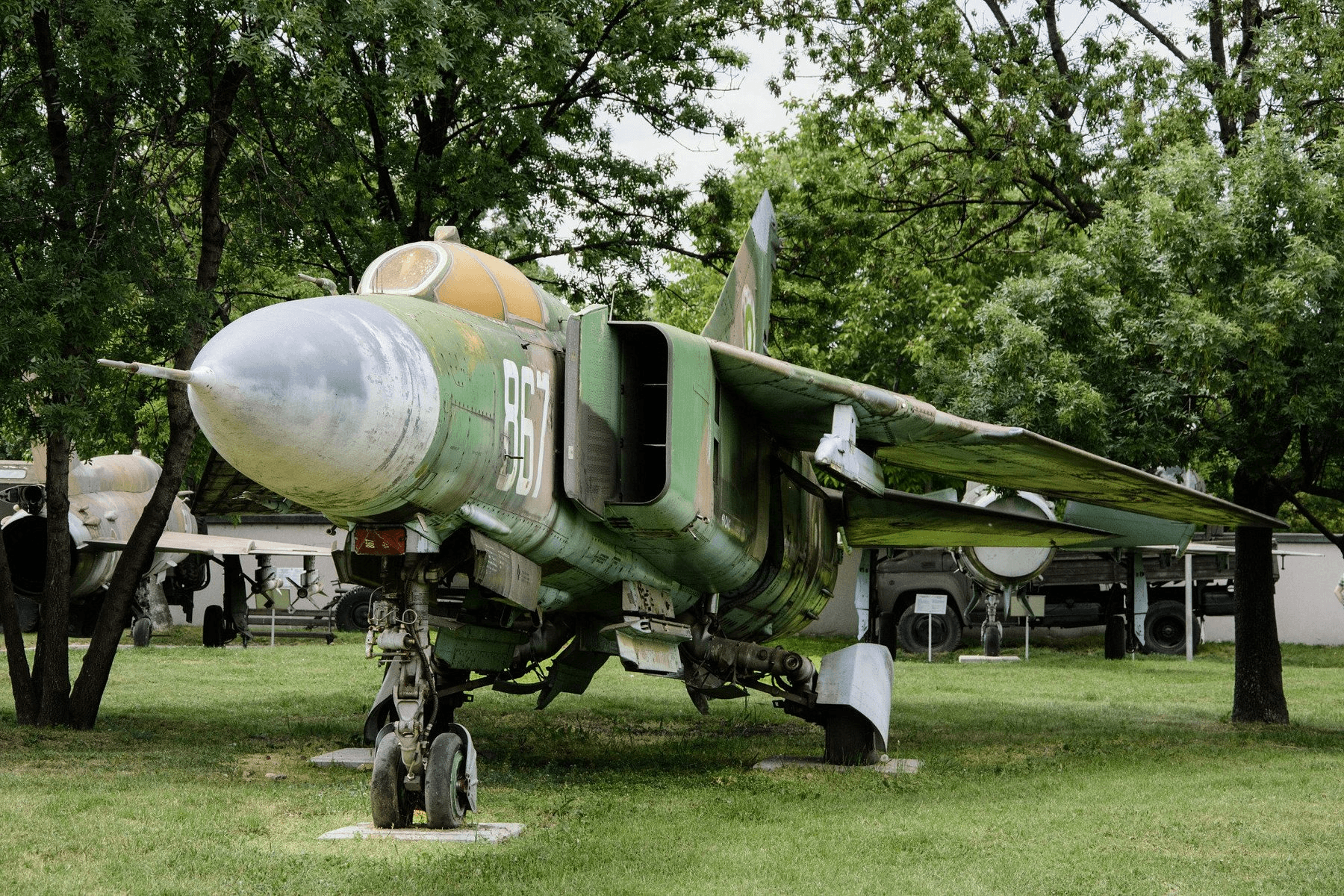
The National Museum of Military History offers a comprehensive look at Bulgaria's armed forces from ancient times to the present. The outdoor exhibition is particularly impressive, featuring Soviet-era tanks, MiG fighter jets, and artillery pieces that you can explore up close across 40,000 square meters.
Inside, the chronological displays cover major conflicts including the Balkan Wars, both World Wars, and the Cold War period. The collection of medieval swords and Ottoman-era weapons provides fascinating insights into Bulgaria's military evolution.
Address: 92 Cherkovna Street, Sofia
Hours: Wednesday-Sunday: 10:00 AM - 6:00 PM (closed Monday-Tuesday)
Entry: €4 (8 BGN) adults, €1 (2 BGN) students
8. National Museum of Natural History
Bulgaria's oldest museum, founded in 1889, the National Museum of Natural History holds a special place as the Balkans' premier natural science institution. Located near the Bulgarian Academy of Sciences, it offers fascinating exhibits on biodiversity, evolution, and ecology.
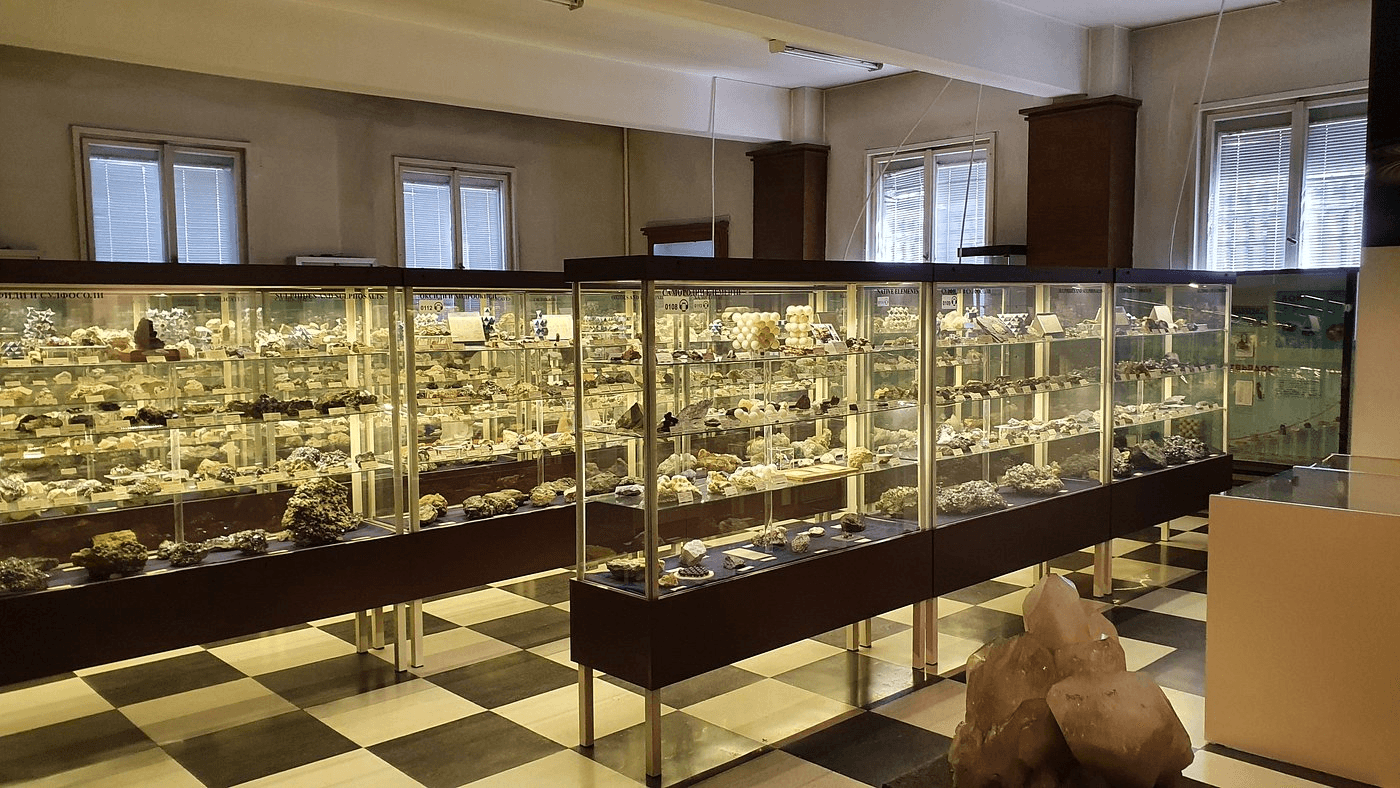
The museum's fifteen halls showcase everything from prehistoric fossils to contemporary species, including rare specimens like the Carolina parrot and samples from the Moon. The minerals section rivals even specialized geological museums, while the butterfly collection is particularly enchanting for nature lovers.
Address: 1 Tsar Osvoboditel Boulevard, Sofia
Hours: Daily 10:00 AM - 6:00 PM (closed January 1, March 3, Easter, December 25)
Entry: €6 (12 BGN) adults, €3 (6 BGN) students/seniors, €15 (30 BGN) family ticket
9. MUZEIKO - Children's Science Center
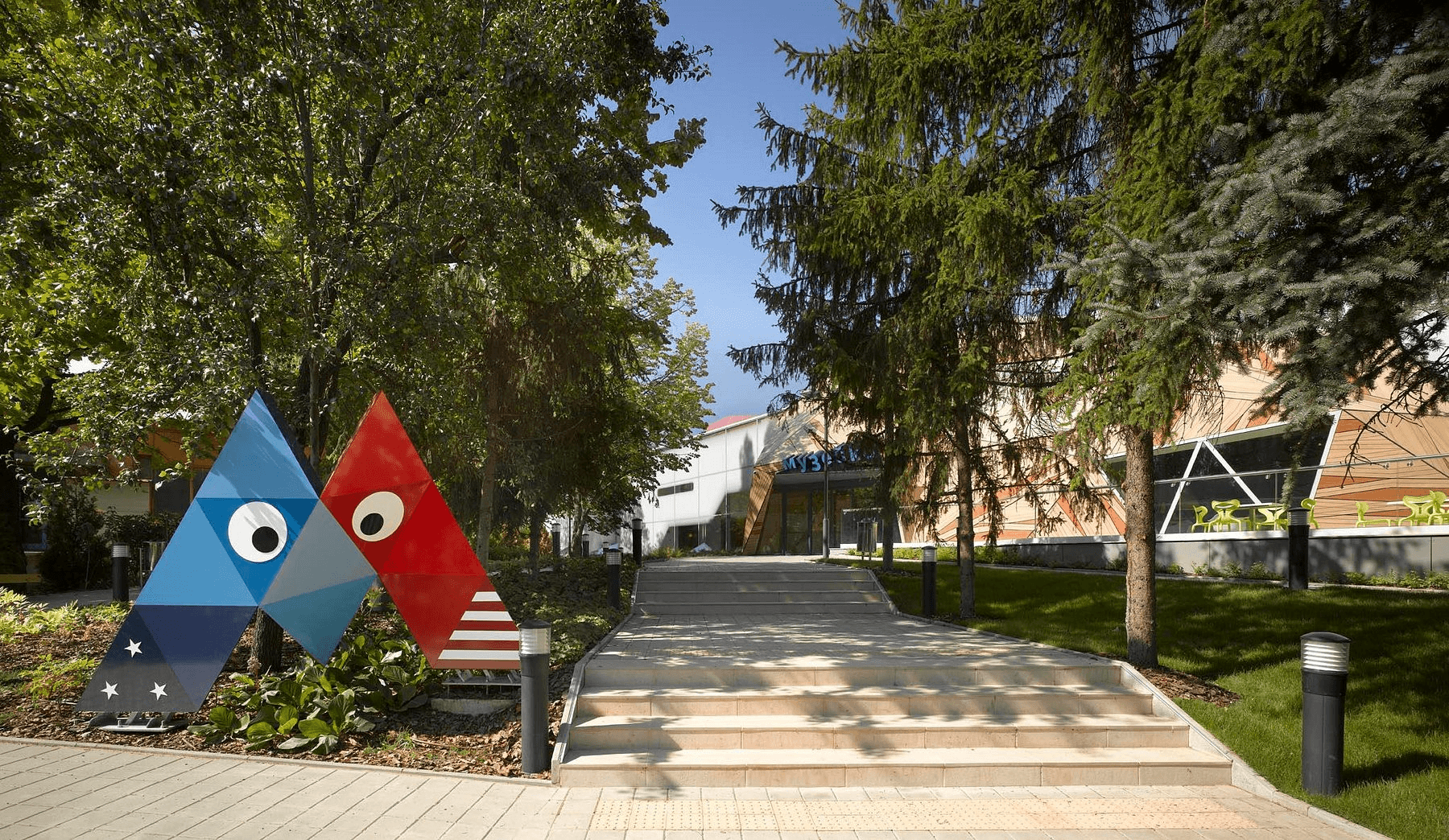
MUZEIKO is Eastern Europe's largest children's science center, and I absolutely love bringing families here. This modern, interactive museum makes learning irresistible through over 130 hands-on exhibits covering everything from archaeology to space exploration.
Organized as a journey through time across three floors—past, present, and future—MUZEIKO encourages visitors to touch, play, and experiment. The planetarium offers stellar shows, while the outdoor climbing wall and garden provide active learning opportunities. Even adults find themselves captivated by the engaging exhibits!
Address: 3 Professor Boyan Kamenov Street, Studentski Kompleks
Hours: Tuesday-Sunday: 10:00 AM - 6:00 PM (closed Mondays)
Entry: €6 (12 BGN) adults and children, €1 (2 BGN) planetarium show
Frequently Asked Questions
What is the most important museum in Sofia?
The National History Museum is Bulgaria's largest and most comprehensive museum, housing over 650,000 artifacts including the famous Thracian gold treasures. It provides the most complete overview of Bulgarian history from prehistoric times to the modern era and is considered essential for understanding Bulgarian culture.
Are Sofia museums open on Mondays?
Most major museums in Sofia are closed on Mondays, including the National Archaeological Museum, Museum of Socialist Art, Sofia History Museum, and MUZEIKO. However, the National History Museum, National Museum of Natural History, Earth and Man Museum, and The Red Flat remain open daily, making them good Monday options.
How much do Sofia museums typically cost?
Museum entrance fees in Sofia are very affordable, typically ranging from €3 to €6 (6-12 BGN) for adults. Students, children, and seniors usually receive 50% discounts, and many museums offer free admission on certain national holidays or the last day of each month.
Which Sofia museum is best for kids?
MUZEIKO is specifically designed for children and offers the most engaging experience with over 130 interactive games and science experiments. The National Museum of Natural History also captivates young visitors with its dinosaur exhibits, Moon samples, and mineral collections. Both museums encourage hands-on exploration.
Can I visit multiple museums in one day?
You can comfortably visit 2-3 museums in one day, especially those located in the city center like the Archaeological Museum, Sofia History Museum, and The Red Flat. Allow 1.5-2 hours per museum for a thorough visit. The National History Museum requires a trip to Boyana district, so plan accordingly.
Do Sofia museums have English information?
Major museums like the National History Museum, Archaeological Museum, and The Red Flat provide English translations and audio guides. The Red Flat offers audio guides in English, Spanish, Italian, French, and Bulgarian. Some smaller museums may have limited English signage, so downloading a translation app can be helpful.
Is photography allowed in Sofia museums?
Most museums allow photography without flash for personal use. The National History Museum and Archaeological Museum may charge a small additional fee for photography permits, while others like The Red Flat encourage photos as part of the interactive experience with designated photo spots.
What's the best time to visit Sofia museums?
Weekday mornings offer the quietest museum experiences, especially Tuesday through Thursday. Visiting in spring or autumn means fewer tourists overall. Avoid weekends and free admission days, which vary by museum but often fall on the last Monday or Sunday of each month, creating larger crowds.
Are Sofia museums accessible for disabled visitors?
The National History Museum, MUZEIKO, Sofia History Museum, and Earth and Man Museum have wheelchair access with ramps and elevators. The Archaeological Museum, housed in a historic Ottoman mosque, has limited accessibility, so calling ahead is recommended for visitors with mobility concerns.
How do I get to the National History Museum in Boyana?
Take trolley bus #2 from Sofia University metro station directly to the museum. The journey takes about 35 minutes. Alternatively, use Taxi Me or Yellow Taxi apps—a taxi from the city center costs around €5-7 and takes 15 minutes without traffic. Avoid unmarked taxis to prevent scams.
Is there a museum pass for Sofia?
Currently, Sofia doesn't offer a unified museum pass. However, the National History Museum offers combination tickets with Boyana Church (€6/12 BGN) and Zemen Monastery. The Sofia History Museum ticket includes access to several archaeological sites around the city, including the St. Sofia Basilica archaeological level.
Conclusion
Sofia's museums offer extraordinary windows into Bulgaria's rich cultural tapestry, from ancient Thracian civilizations to the complexities of the 20th century. Whether you're drawn to glittering archaeological treasures, thought-provoking socialist art, or interactive science exhibits, these nine museums provide unforgettable experiences that reveal the soul of this fascinating city. After a day of culture, unwind at one of the best Sofia restaurants. Each visit deepens your understanding of Bulgaria's unique position at the crossroads of Europe.
Sofia might not top every traveler's bucket list, but the Bulgarian capital holds cultural treasures that rival any European city. From ancient Thracian gold to communist-era relics, the city's museums tell stories you won't find anywhere else.
Whether you're a history buff, art lover, or simply curious about Bulgaria's fascinating past, these museums fit perfectly into a weekend visit, this guide covers the most interesting museums in Sofia - just one of the many things to do in the Bulgarian capital—including a few off-the-beaten-path spots most tourists miss. Here's where to spend your time (and why each one is worth it).
1. National History Museum
As Bulgaria's largest museum with over 650,000 artifacts, the National History Museum is one of my all-time favorite cultural destinations in Sofia. Housed in the former residence of communist leader Todor Zhivkov in the Boyana district, tthis vast collection takes you on an extraordinary journey through Bulgarian history. Book a private sightseeing tour to get expert context.
The museum's crown jewels are undoubtedly the Thracian treasures—exquisite gold and silver artifacts that showcase the remarkable artistry of ancient civilizations. Every time I visit, the Panagyurishte and Rogozen treasures leave me breathless with their intricate craftsmanship. The medieval section, featuring items from Bulgaria's First and Second Empires, provides fascinating insights into the country's golden age.
Address: 16 Vitoshko Lale Street, Boyana District
Hours: Summer (April-September): 9:30 AM - 7:00 PM; Winter (October-March): 9:30 AM - 6:00 PM daily
Entry: €5 (10 BGN) adults, €0.50 (1 BGN) students
2. National Archaeological Museum
Located in a stunning 15th-century Ottoman mosque, the National Archaeological Museum holds a special place in my heart as Sofia's oldest museum. Established in 1893, it houses Bulgaria's most important archaeological discoveries spanning from the Paleolithic era to the Late Middle Ages.
What captivates me most here is the Thracian collection, particularly the bronze head of King Seuthes III—its realistic gaze feels like history staring directly at you. The main hall displays impressive Greek and Roman statues, while the Medieval Hall showcases beautiful religious icons and frescoes that tell the story of Bulgaria's Christian heritage.
Address: 2 Saborna Street, Sofia Center
Hours: May-October: 10:00 AM - 6:00 PM daily; November-April: 10:00 AM - 5:00 PM (closed Mondays)
Entry: €5 (10 BGN) adults, €1 (2 BGN) students
3. Museum of Socialist Art
Opened in 2011, the Museum of Socialist Art is the only museum in Sofia dedicated entirely to Bulgaria's communist period (1944-1989). For deeper exploration, consider joining a communist tour, featuring an impressive outdoor sculpture park with over 70 monumental statues removed from public spaces after the fall of communism.
The highlight for me is seeing the massive red star that once topped the Communist Party headquarters and the imposing statue of Lenin that previously stood in central Sofia. The indoor gallery displays socialist realist paintings and propaganda posters that provide remarkable insights into the ideological art of the era.
Address: 7 Lachezar Stanchev Street, Sofia
Hours: Tuesday-Sunday: 10:00 AM - 6:00 PM (closed Mondays)
Entry: €4 (8 BGN) adults, €2 (4 BGN) students and seniors
4. The Red Flat
The Red Flat offers one of my most recommended immersive experiences in Sofia—a perfectly preserved 1980s Bulgarian apartment that transports you directly into everyday life during the communist era. Located in the heart of the city, this interactive museum encourages you to touch everything: flip through magazines, try on clothes, listen to vinyl records, and sample traditional Bulgarian treats from the era.
With an audio guide narrating the story of a typical Bulgarian family, you'll discover how people lived, worked, and found joy despite the restrictions of the regime. It's an intimate, personal glimpse into a world that shaped modern Bulgaria. The experience typically takes around 90 minutes if you listen to the complete audio guide.
Address: 24 Ivan Denkoglu Street, Sofia Center (entrance through Gifted Sofia)
Hours: Daily 10:30 AM - 6:00 PM
Entry: €9 (18 BGN) adults, €6 (12 BGN) children 6-17
5. Earth and Man National Museum
The Earth and Man Museum is one of the world's largest mineralogical museums. Housed in a beautifully restored 19th-century building, it displays an astounding collection covering 40% of all known minerals on Earth across more than 27,000 items.
The giant crystal room never fails to impress visitors with its massive amethyst geodes from Brazil, while the Bulgarian minerals section showcases the country's geological wealth. The museum also features fascinating exhibits on how minerals are used in everyday life, from smartphones to construction materials.
Address: 4 Cherni Vrah Boulevard, Sofia
Hours: Daily 10:00 AM - 6:00 PM (closed Christmas, New Year, Easter)
Entry: €5 (10 BGN) adults, €7.50 (15 BGN) family ticket, €1.50 (3 BGN) students/seniors
6. Sofia History Museum
Housed in Sofia's magnificent former Central Mineral Bath building, the Sofia History Museum is where I always bring friends who want to understand the city's evolution from ancient Serdica to modern times. Include it in your 2-day itinerary from ancient Serdica to modern times. The building itself, with its stunning ceramic decorations and Byzantine-inspired architecture, is worth the visit alone.
The museum's permanent exhibition chronicles Sofia's 8,000-year history through archaeological finds, traditional costumes, and historical documents. I particularly enjoy the vintage tram you can board and the royal carriage of King Ferdinand, offering tangible connections to the city's past.
Address: 1 Banski Square, Sofia Center
Hours: Tuesday-Sunday: 10:00 AM - 6:00 PM (closed Mondays)
Entry: €3 (6 BGN) adults, discounts for students and children
7. National Museum of Military History
The National Museum of Military History offers a comprehensive look at Bulgaria's armed forces from ancient times to the present. The outdoor exhibition is particularly impressive, featuring Soviet-era tanks, MiG fighter jets, and artillery pieces that you can explore up close across 40,000 square meters.
Inside, the chronological displays cover major conflicts including the Balkan Wars, both World Wars, and the Cold War period. The collection of medieval swords and Ottoman-era weapons provides fascinating insights into Bulgaria's military evolution.
Address: 92 Cherkovna Street, Sofia
Hours: Wednesday-Sunday: 10:00 AM - 6:00 PM (closed Monday-Tuesday)
Entry: €4 (8 BGN) adults, €1 (2 BGN) students
8. National Museum of Natural History
Bulgaria's oldest museum, founded in 1889, the National Museum of Natural History holds a special place as the Balkans' premier natural science institution. Located near the Bulgarian Academy of Sciences, it offers fascinating exhibits on biodiversity, evolution, and ecology.
The museum's fifteen halls showcase everything from prehistoric fossils to contemporary species, including rare specimens like the Carolina parrot and samples from the Moon. The minerals section rivals even specialized geological museums, while the butterfly collection is particularly enchanting for nature lovers.
Address: 1 Tsar Osvoboditel Boulevard, Sofia
Hours: Daily 10:00 AM - 6:00 PM (closed January 1, March 3, Easter, December 25)
Entry: €6 (12 BGN) adults, €3 (6 BGN) students/seniors, €15 (30 BGN) family ticket
9. MUZEIKO - Children's Science Center
MUZEIKO is Eastern Europe's largest children's science center, and I absolutely love bringing families here. This modern, interactive museum makes learning irresistible through over 130 hands-on exhibits covering everything from archaeology to space exploration.
Organized as a journey through time across three floors—past, present, and future—MUZEIKO encourages visitors to touch, play, and experiment. The planetarium offers stellar shows, while the outdoor climbing wall and garden provide active learning opportunities. Even adults find themselves captivated by the engaging exhibits!
Address: 3 Professor Boyan Kamenov Street, Studentski Kompleks
Hours: Tuesday-Sunday: 10:00 AM - 6:00 PM (closed Mondays)
Entry: €6 (12 BGN) adults and children, €1 (2 BGN) planetarium show
Frequently Asked Questions
What is the most important museum in Sofia?
The National History Museum is Bulgaria's largest and most comprehensive museum, housing over 650,000 artifacts including the famous Thracian gold treasures. It provides the most complete overview of Bulgarian history from prehistoric times to the modern era and is considered essential for understanding Bulgarian culture.
Are Sofia museums open on Mondays?
Most major museums in Sofia are closed on Mondays, including the National Archaeological Museum, Museum of Socialist Art, Sofia History Museum, and MUZEIKO. However, the National History Museum, National Museum of Natural History, Earth and Man Museum, and The Red Flat remain open daily, making them good Monday options.
How much do Sofia museums typically cost?
Museum entrance fees in Sofia are very affordable, typically ranging from €3 to €6 (6-12 BGN) for adults. Students, children, and seniors usually receive 50% discounts, and many museums offer free admission on certain national holidays or the last day of each month.
Which Sofia museum is best for kids?
MUZEIKO is specifically designed for children and offers the most engaging experience with over 130 interactive games and science experiments. The National Museum of Natural History also captivates young visitors with its dinosaur exhibits, Moon samples, and mineral collections. Both museums encourage hands-on exploration.
Can I visit multiple museums in one day?
You can comfortably visit 2-3 museums in one day, especially those located in the city center like the Archaeological Museum, Sofia History Museum, and The Red Flat. Allow 1.5-2 hours per museum for a thorough visit. The National History Museum requires a trip to Boyana district, so plan accordingly.
Do Sofia museums have English information?
Major museums like the National History Museum, Archaeological Museum, and The Red Flat provide English translations and audio guides. The Red Flat offers audio guides in English, Spanish, Italian, French, and Bulgarian. Some smaller museums may have limited English signage, so downloading a translation app can be helpful.
Is photography allowed in Sofia museums?
Most museums allow photography without flash for personal use. The National History Museum and Archaeological Museum may charge a small additional fee for photography permits, while others like The Red Flat encourage photos as part of the interactive experience with designated photo spots.
What's the best time to visit Sofia museums?
Weekday mornings offer the quietest museum experiences, especially Tuesday through Thursday. Visiting in spring or autumn means fewer tourists overall. Avoid weekends and free admission days, which vary by museum but often fall on the last Monday or Sunday of each month, creating larger crowds.
Are Sofia museums accessible for disabled visitors?
The National History Museum, MUZEIKO, Sofia History Museum, and Earth and Man Museum have wheelchair access with ramps and elevators. The Archaeological Museum, housed in a historic Ottoman mosque, has limited accessibility, so calling ahead is recommended for visitors with mobility concerns.
How do I get to the National History Museum in Boyana?
Take trolley bus #2 from Sofia University metro station directly to the museum. The journey takes about 35 minutes. Alternatively, use Taxi Me or Yellow Taxi apps—a taxi from the city center costs around €5-7 and takes 15 minutes without traffic. Avoid unmarked taxis to prevent scams.
Is there a museum pass for Sofia?
Currently, Sofia doesn't offer a unified museum pass. However, the National History Museum offers combination tickets with Boyana Church (€6/12 BGN) and Zemen Monastery. The Sofia History Museum ticket includes access to several archaeological sites around the city, including the St. Sofia Basilica archaeological level.
Conclusion
Sofia's museums offer extraordinary windows into Bulgaria's rich cultural tapestry, from ancient Thracian civilizations to the complexities of the 20th century. Whether you're drawn to glittering archaeological treasures, thought-provoking socialist art, or interactive science exhibits, these nine museums provide unforgettable experiences that reveal the soul of this fascinating city. After a day of culture, unwind at one of the best Sofia restaurants. Each visit deepens your understanding of Bulgaria's unique position at the crossroads of Europe.
Looking to plan a Legendary Stag Do?
Plan the ultimate stag do with your go-to bachelor party experts in Sofia!

Looking to plan a Legendary Stag Do?
Plan the ultimate stag do with your go-to bachelor party experts in Sofia!
Looking to plan a Legendary Stag Do?
Plan the ultimate stag do with your go-to bachelor party experts in Sofia!
Discover More

Sofia Stag Do
We're the Sofia stag do experts who actually live here and know where the real party is — no tourist trap bollocks, just legendary weekends sorted without the stress.
From mad activities to epic nightlife and quality accommodation, we handle everything so you can focus on taking the piss out of the groom.
© 2026
Sofia Stag Do
We're the Sofia stag do experts who actually live here and know where the real party is — no tourist trap bollocks, just legendary weekends sorted without the stress.
From mad activities to epic nightlife and quality accommodation, we handle everything so you can focus on taking the piss out of the groom.
© 2026
Sofia Stag Do
We're the Sofia stag do experts who actually live here and know where the real party is — no tourist trap bollocks, just legendary weekends sorted without the stress.
From mad activities to epic nightlife and quality accommodation, we handle everything so you can focus on taking the piss out of the groom.
© 2026