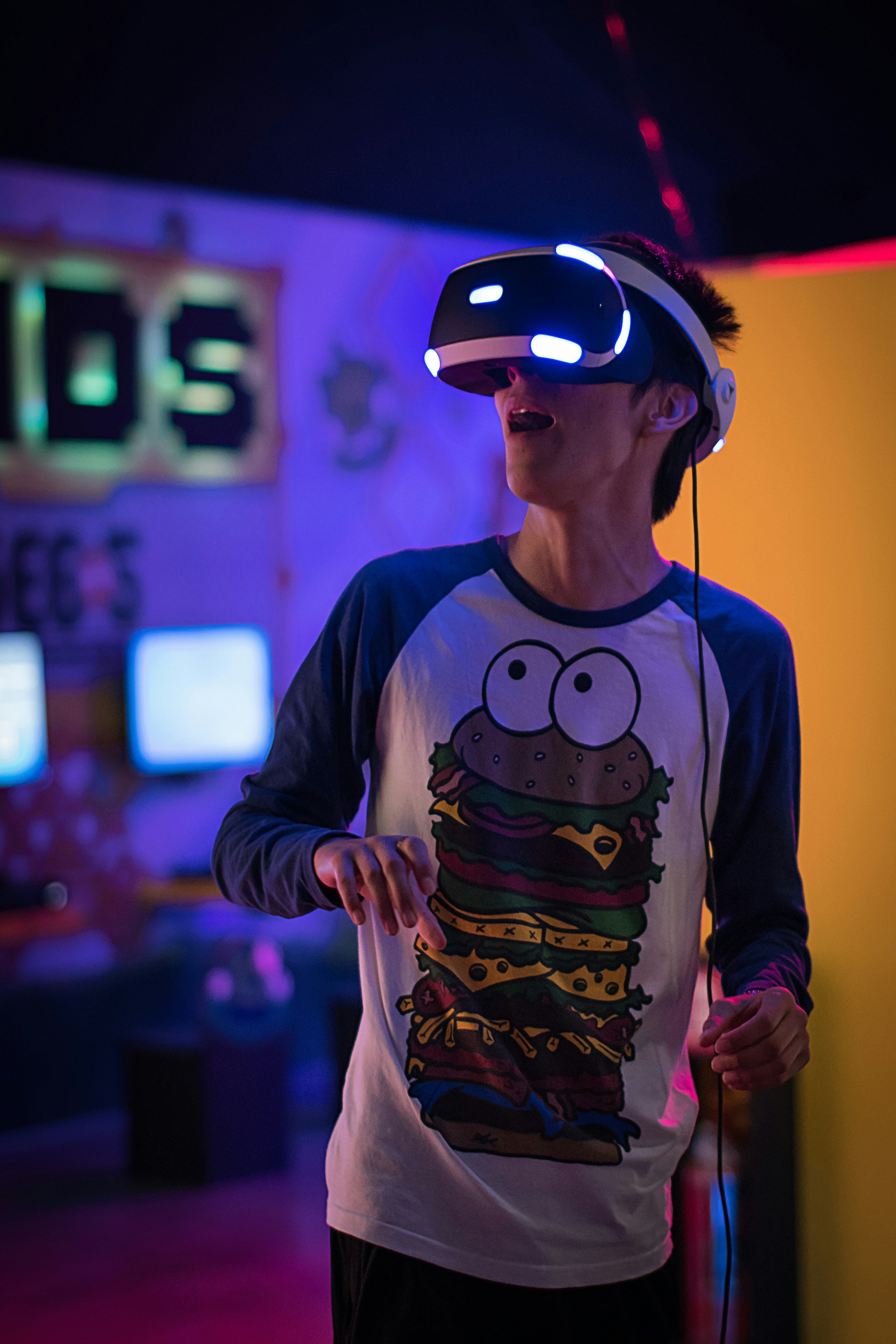
Sofia Stag Do Activity
VR Gaming Sofia Stag Do
Time to discover who's actually got the coordination for proper virtual reality gaming and who's going to spend most of the session stumbling around like a confused pensioner trying to figure out where the virtual floor is. Perfect for finding out which of your crew can handle full immersion VR experiences versus who gets motion sick from looking at a smartphone screen for too long.
What's included
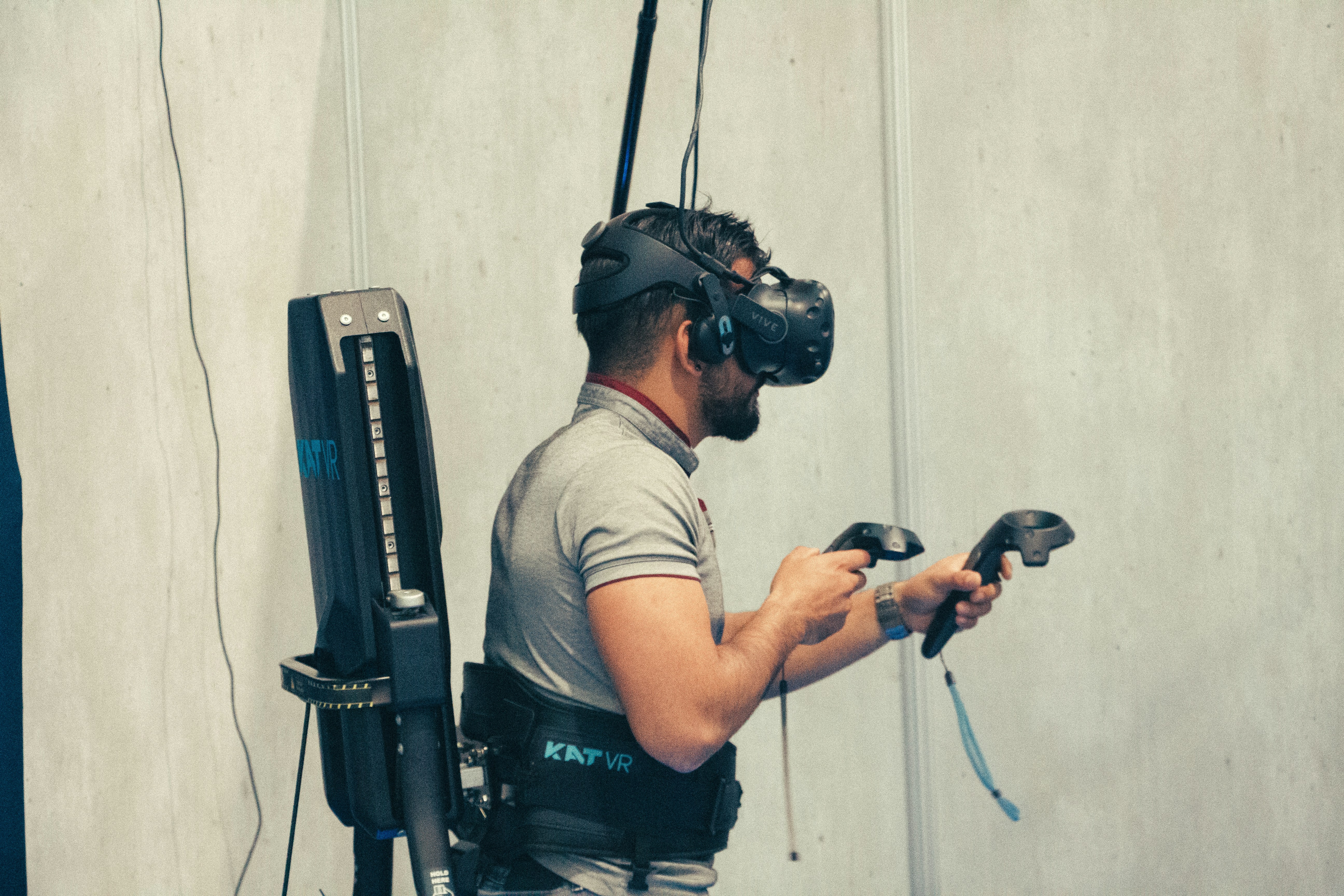
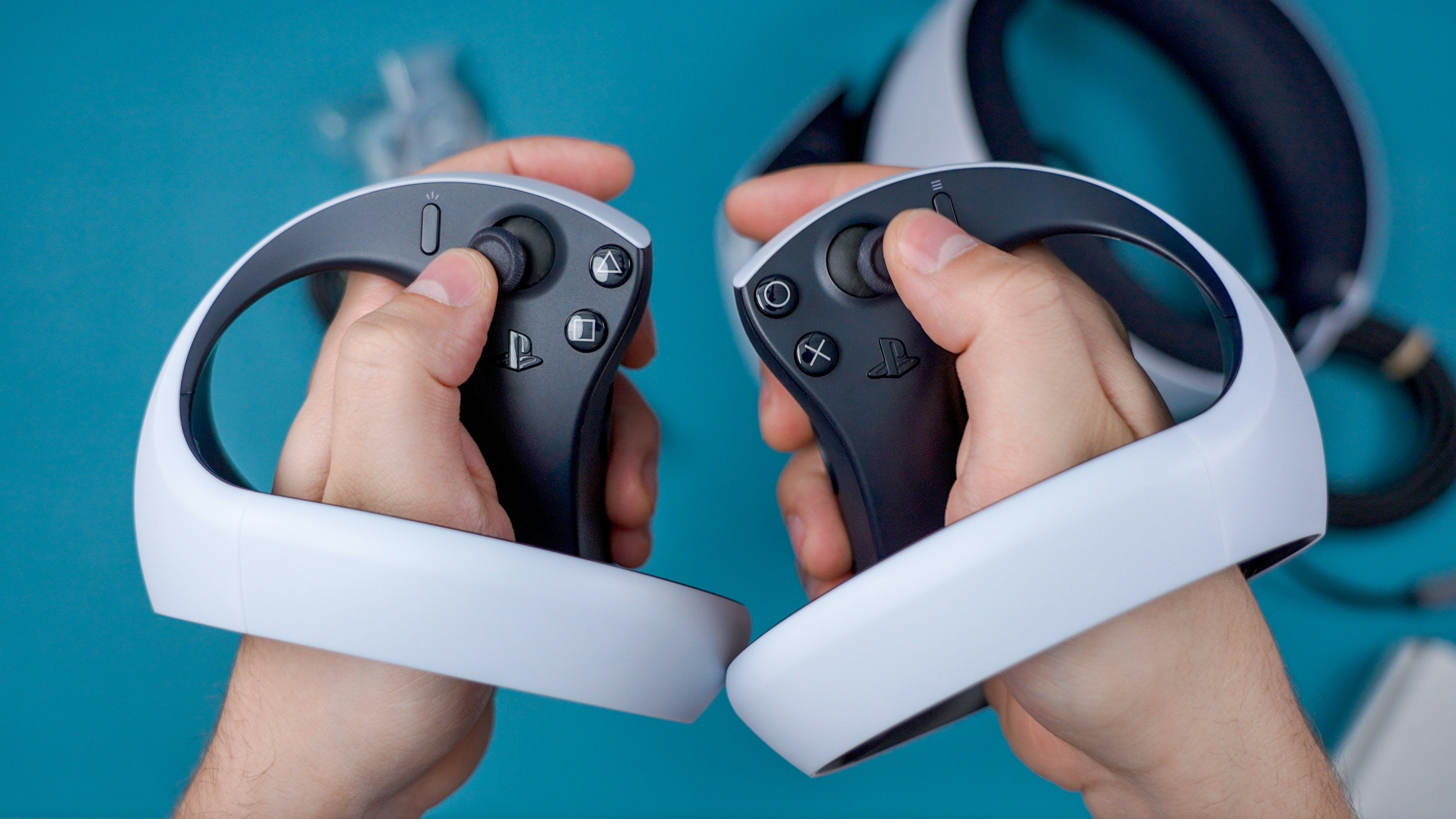
Latest VR headsets and motion controllers with room-scale tracking systems
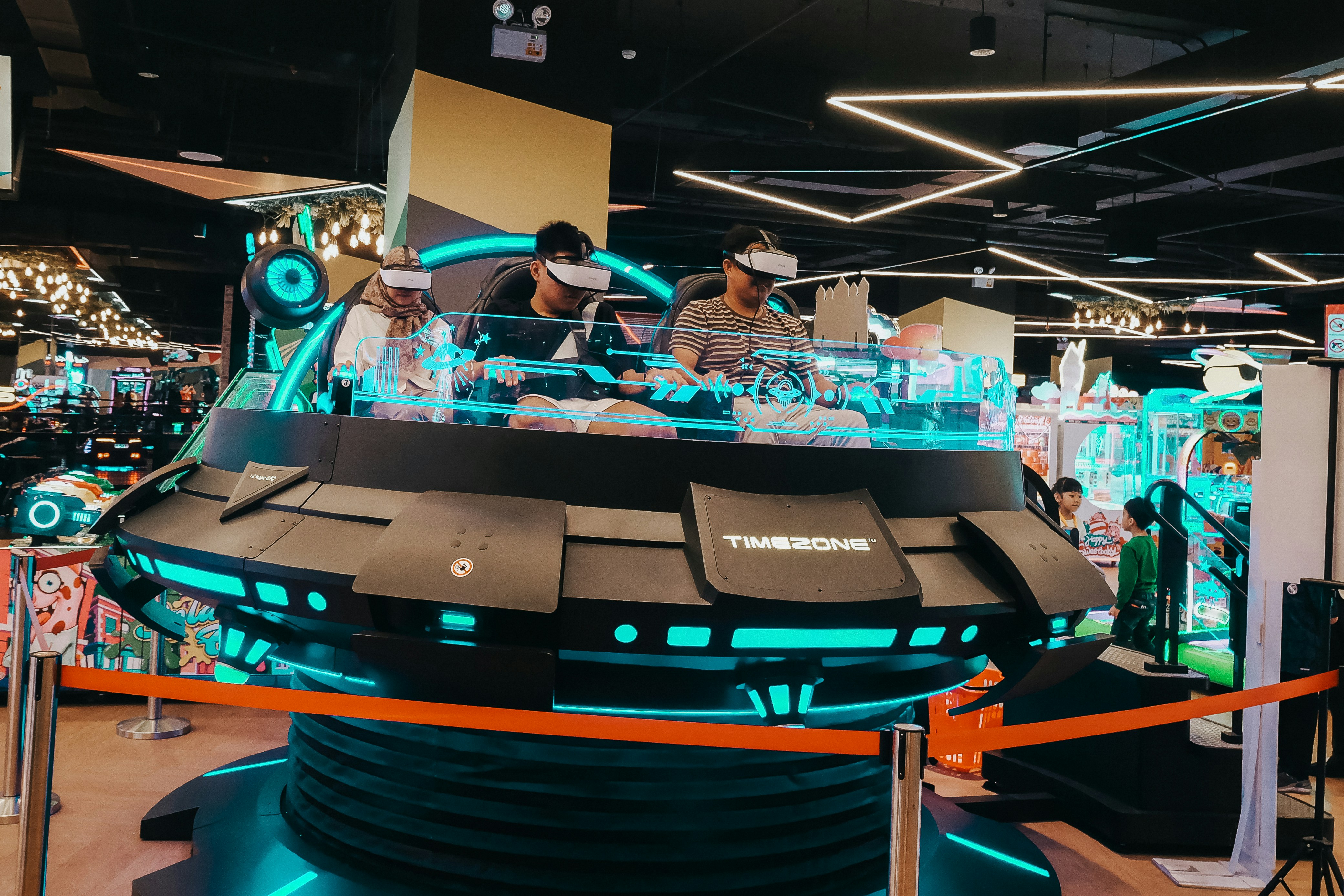
Multiple gaming experiences including multiplayer battles and cooperative challenges
2-3 hours of immersive virtual reality with variety of game genres
Professional VR technicians ensuring optimal setup and technical support
Comfortable gaming area with safety mats and boundary systems
Video capture of your virtual adventures and inevitable reality confusion moments
Why Sofia Stag Do
What You'll do
Enter virtual worlds - Experience full immersion gaming that makes regular console playing seem like watching television from across the room
Master motion controls - Learn to interact with virtual environments using natural hand movements instead of pressing buttons like some primitive caveman
Battle in virtual arenas - Fight multiplayer battles where you actually duck, dodge, and aim physically rather than just wiggling thumbs on controllers
Solve collaborative puzzles - Work together in shared virtual spaces where communication and coordination determine success rather than individual button-mashing skills
Document reality confusion - Capture hilarious moments when people forget they're wearing headsets and try to lean on virtual objects or sit in non-existent chairs
Open mind about technology that might seem like science fiction initially
Basic physical coordination and willingness to move around actively
Comfortable clothes suitable for active gaming movement
Sense of humor about looking ridiculous while immersed in invisible virtual worlds
More about VR Gaming Stag Do
VR gaming is brilliant for stag dos because it provides genuinely new experiences that most people haven't tried extensively, creating equal footing for competition while delivering entertainment that feels futuristic and impressive rather than just another variation of familiar activities.
The immersive nature eliminates the usual gaming skill gaps - previous console experience doesn't necessarily translate to VR success, so natural athletes and tech novices often perform equally well while traditional gamers struggle with physical movement requirements.
Modern VR technology offers incredible variety from action games requiring physical movement through puzzle experiences demanding communication and cooperation. The shared virtual spaces create unique bonding opportunities impossible with traditional gaming.
Best part for stag groups is watching everyone adapt to completely new gaming paradigms. Some people naturally excel at virtual reality while others struggle with the sensory disconnect between physical and visual feedback, creating entertaining performance disparities.
The spectator element adds entertainment for non-participants since watching people interact with invisible virtual objects provides comedy gold while they're completely absorbed in their digital experiences.
Frequently asked questions
You've got questions, we've got answers.
1. What if someone gets motion sick from VR experiences?
Some people experience motion sensitivity with VR - sessions can be adjusted with frequent breaks, gentler games, or alternative activities for anyone uncomfortable with immersive experiences.
2. Do we need gaming experience or technical knowledge?
Not at all - VR is intuitive enough that non-gamers often perform better than experienced console players. Natural movement and spatial awareness matter more than button skills.
3. How realistic and immersive are modern VR experiences?
Extremely convincing - proper VR creates genuine sense of presence in virtual environments. Most people instinctively react as if virtual objects and spaces are physically real.
4. Can multiple people play together or is it individual experiences?
Modern VR supports multiplayer experiences where everyone shares the same virtual space, plus spectator modes where non-participants can watch virtual adventures on screens.
5. How physically demanding is VR gaming compared to console gaming?
Much more active - VR requires actual movement, dodging, reaching, and coordination. More like physical activity than traditional sedentary gaming experiences.
6. What types of VR games work best for group stag experiences?
Competitive multiplayer battles, cooperative puzzle-solving, adventure experiences, and party games designed specifically for group entertainment and social interaction.
7. Are there age restrictions or health considerations for VR gaming?
Generally suitable for adults, but people with certain medical conditions (epilepsy, severe motion sensitivity) should consult staff before participating in immersive experiences.
8. How long can people comfortably play VR before fatigue?
Sessions typically 15-30 minutes per person with breaks - VR can be surprisingly tiring both mentally and physically compared to traditional gaming experiences.
9. What happens if someone damages expensive VR equipment?
Professional VR centers have insurance and safety protocols - minor accidents are expected and covered, though deliberately reckless behavior might incur charges.