Sofia Stag Do Activity
VR Escape Room Sofia Stag Do
Time to discover who's actually got problem-solving skills when trapped in virtual reality escape rooms and who's going to spend the entire session walking into digital walls wondering why their hands keep disappearing. Perfect for finding out which of your crew can handle immersive puzzle-solving versus who gets confused trying to pick up virtual objects that don't actually exist in the physical world.
What's included
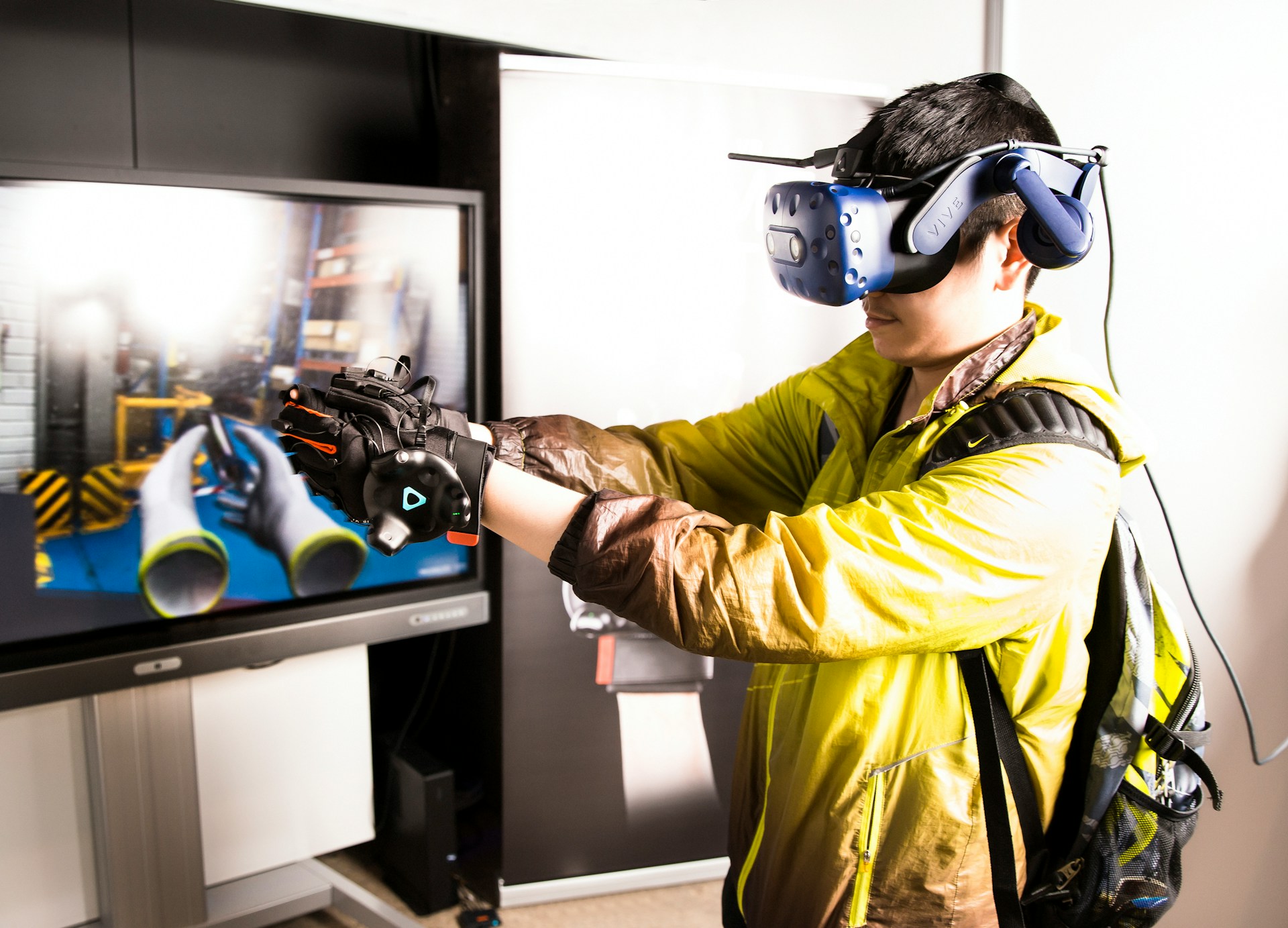
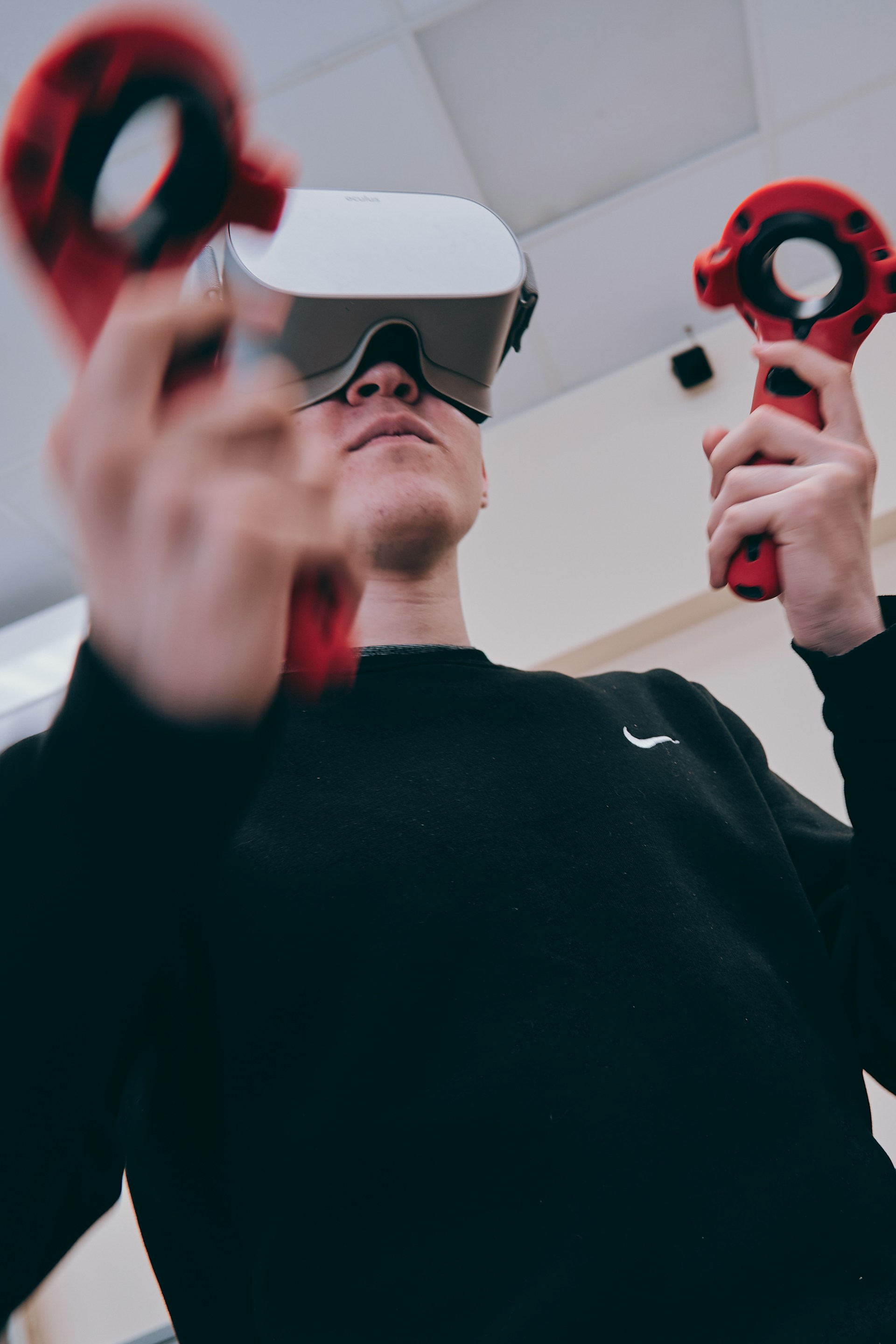
Latest VR headsets with hand tracking and immersive room-scale experiences
Multiple themed escape room scenarios from horror to sci-fi adventures
2-3 hours of virtual puzzle-solving with varying difficulty levels
Professional VR technicians managing setup and providing technical support
Team communication systems for coordinated virtual collaboration
Video recording of your virtual adventures and puzzle-solving attempts
Why Sofia Stag Do
What You'll do
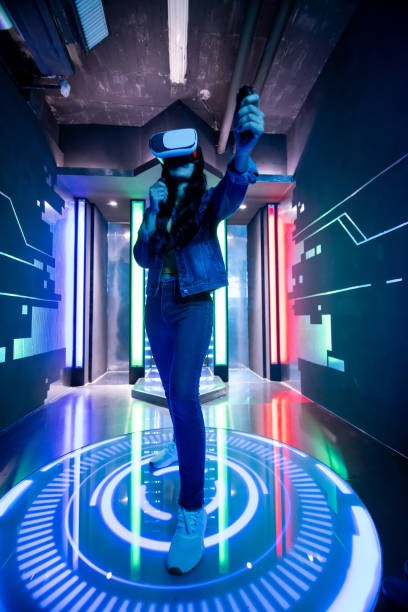
Enter impossible environments - Explore virtual escape rooms with scenarios physically impossible in real life, from space stations to underwater laboratories
Manipulate virtual objects - Learn to interact with digital puzzles using natural hand movements instead of clicking buttons like some primitive computer user
Coordinate team solutions - Work together in shared virtual spaces where communication becomes crucial since everyone sees different perspectives and clues
Solve immersive puzzles - Tackle challenges that combine traditional escape room logic with virtual reality interactions requiring spatial awareness and digital dexterity
Experience reality confusion - Document hilarious moments when people try to lean on virtual furniture or hand physical objects to teammates who exist only digitally
Patience for technology that might seem like wizardry initially
Willingness to look ridiculous while interacting with invisible virtual objects
Open mind about puzzle-solving in environments that don't follow physical laws
Comfortable clothes suitable for active movement and reaching motions
More about VR Escape Room Stag Do
VR escape rooms combine the best elements of traditional puzzle-solving with immersive technology that creates scenarios impossible in physical spaces. The virtual environments allow for creative challenges and visual effects that enhance the escape room experience beyond real-world limitations.
The team coordination aspect becomes more complex in virtual reality since players must navigate both digital environments and physical communication while immersed in headsets. This creates unique bonding challenges requiring enhanced verbal communication and spatial coordination.
Modern VR escape room technology offers incredible variety - from horror scenarios requiring nerve and teamwork to sci-fi puzzles demanding logic and cooperation. The immersive nature makes failures and successes feel more dramatic and memorable than traditional escape rooms.
Best advantage for stag groups is the equalizing effect of virtual reality - previous escape room experience doesn't necessarily translate to VR success, while technical comfort and spatial awareness become more important than traditional puzzle-solving patterns.
The spectator element adds entertainment value since watching people interact with virtual environments they can't see provides comedy while participants are completely absorbed in their digital challenges.
Frequently asked questions
You've got questions, we've got answers.
1. How different are VR escape rooms from traditional physical ones?
Dramatically different - virtual environments allow impossible scenarios, magical interactions, and visual effects that enhance puzzle complexity while requiring different skill sets for success.
2. Can everyone participate simultaneously or do we take turns?
Most VR escape rooms accommodate 2-6 people simultaneously in shared virtual spaces, with larger groups rotating through different scenarios or taking turns.
3. What if someone struggles with VR technology or gets disoriented?
VR technicians provide comprehensive instruction and support - most people adapt quickly, but anyone uncomfortable can participate in easier scenarios or watch others' adventures.
4. How realistic are the virtual escape room environments?
Extremely convincing - modern VR creates genuine sense of presence in virtual spaces. Most people instinctively treat virtual objects and environments as physically real.
5. Do we need previous escape room experience to succeed?
Not necessary - VR escape rooms often require different problem-solving approaches. Sometimes VR novices perform better than escape room experts because they adapt to virtual interactions more naturally.
6. How long do VR escape room scenarios typically take?
Sessions usually 45-90 minutes depending on puzzle complexity and team problem-solving speed. Virtual environments allow for more complex scenarios than physical space limitations.
7. Can we choose different themes or difficulty levels?
Most VR centers offer multiple themed scenarios with varying difficulty - horror, adventure, sci-fi, fantasy - allowing groups to select appropriate challenge levels and preferred atmospheres.
8. What happens if we get completely stuck on puzzles?
VR escape rooms include hint systems and technician assistance to keep teams progressing. The goal is entertainment and achievement rather than frustrating failure.
9. How physically demanding are VR escape room experiences?
Moderate physical activity required - reaching, moving, manipulating objects - but more about mental problem-solving than athletic ability. Accessible to most fitness levels.