Sofia Stag Do Activity
Bulgarian Food Tasting Sofia Stag Do
Time to discover what Bulgarians actually eat beyond the mysterious dishes you've been avoiding on restaurant menus and find out if your adventurous eating claims are genuine or complete bollocks. Perfect for experiencing authentic local cuisine without the risk of accidentally ordering something that looks like roadkill and tastes worse.
What's included
Expert guide with deep knowledge of Bulgarian culinary traditions
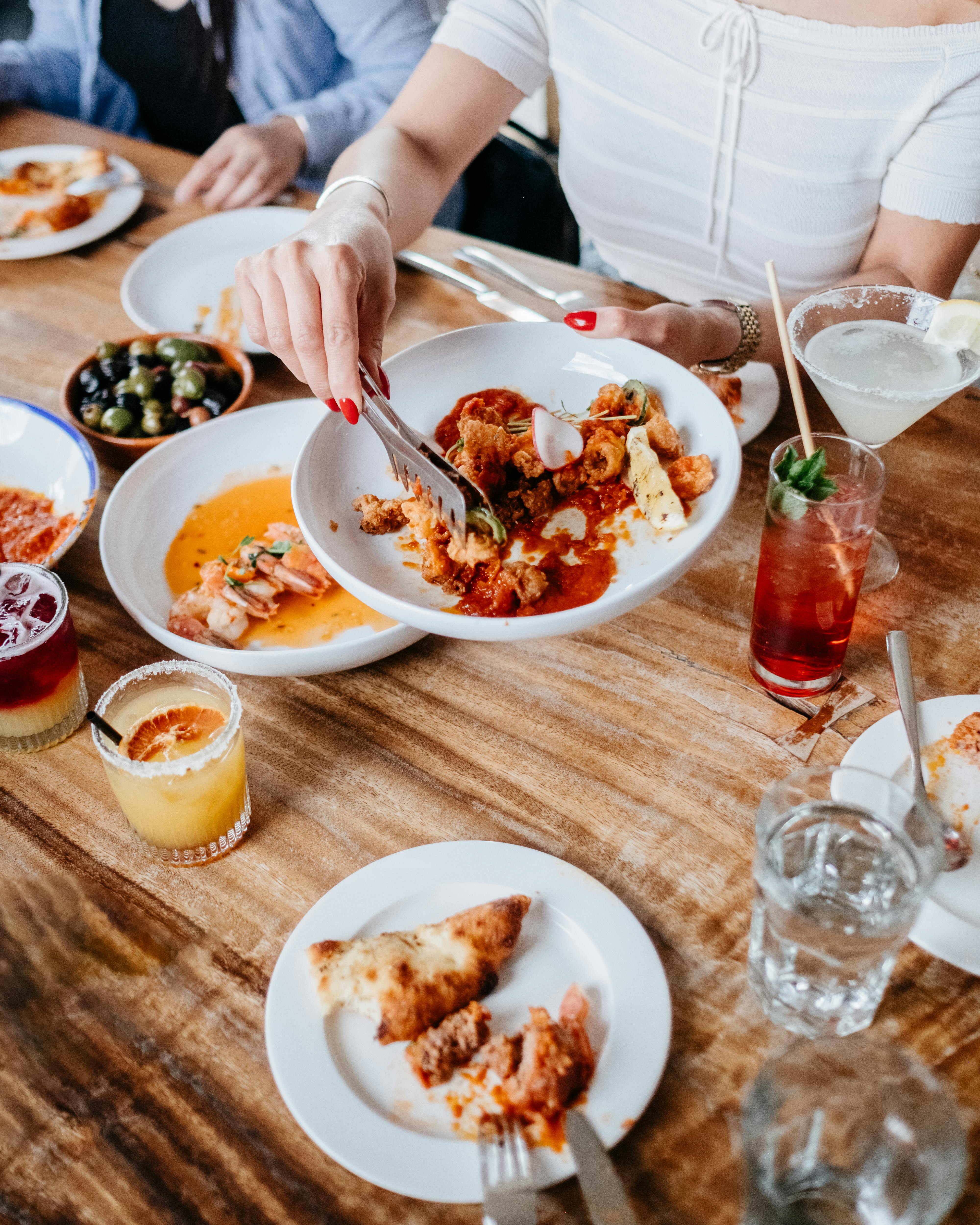
Tasting portions of 8-10 authentic dishes from different regional specialties
Traditional mehana restaurant experience with local atmosphere
Explanation of ingredients, preparation methods, and cultural significance
Paired local beverages including rakija, wine, and Bulgarian beer
Recipe cards and cultural insights to impress people back home
Why Sofia Stag Do
What You'll do
Start with familiar territory - Begin with accessible Bulgarian dishes that won't terrify anyone before moving to more adventurous options
Try proper regional specialties - Experience dishes that locals actually eat rather than tourist-friendly versions that don't represent real Bulgarian cuisine
Learn cultural context - Understand why certain foods matter to Bulgarian culture and what occasions they're traditionally served for
Challenge your palate - Test your claimed adventurous eating spirit with flavors and preparations you've never encountered before
Document reactions - Capture everyone's faces when they try Bulgarian tripe soup or discover that lukanka is actually brilliant
Genuine open mind about unfamiliar foods (not just claims of adventurous eating)
Empty stomach and appetite for multiple courses
Camera for documenting brave attempts and horrified reactions
Willingness to admit when something's actually better than expected


More about Bulgarian Food Tasting Stag Do
Bulgarian food tasting is brilliant for stag dos because it combines cultural education with immediate practical experience and plenty of opportunities for group reactions and friendly challenges. Bulgarian cuisine is genuinely excellent once you understand what you're eating and why it's prepared that way.
The guided experience eliminates the usual problems with foreign food - no mystery ingredients, no accidentally ordering something inedible, and proper explanation of what makes each dish special. Plus the guide knows which items work well for international palates and which require more acquired taste.
Traditional mehana restaurants provide authentic atmosphere that you can't get from hotel dining rooms or international chains. Real Bulgarian hospitality, proper preparation methods, and cultural context that makes the food more interesting than just exotic flavors.
Best part for stag groups is watching everyone's preconceptions get challenged. The mate who claims to eat anything discovering his limits, the picky eater finding unexpected favorites, and inevitably someone becoming an instant expert on Bulgarian culinary traditions.
The tasting format means you experience variety without getting too full from any single dish. Perfect introduction to Bulgarian cuisine that gives you confidence to order independently for the rest of your stay rather than sticking to safe international options.
Frequently asked questions
You've got questions, we've got answers.
1. What if someone's really picky about food?
The guide knows which dishes work for cautious eaters and will ensure everyone tries something they can enjoy. No forcing anyone to eat things they genuinely can't handle.
2. Are we talking weird animal parts or normal food?
Mix of both - some familiar preparations and some traditional dishes that might challenge Western palates. The guide explains everything beforehand.
3. What makes Bulgarian food different from other European cuisines?
Unique blend of Mediterranean, Turkish, and Slavic influences creating flavors you won't find elsewhere. Plus local ingredients and preparation methods with centuries of tradition.
4. How spicy or challenging are the flavors?
Generally not very spicy but rich and complex. More about unfamiliar combinations and preparations rather than heat levels that'll burn your mouth.
5. Can we accommodate dietary restrictions or allergies?
Yeah, Bulgarian cuisine has plenty of vegetarian options and the guide can work around allergies. Just let us know requirements beforehand.
6. Do we learn to cook anything or just eat?
Primarily tasting and education, but you get recipe cards and cooking tips. Some experiences include brief cooking demonstrations if you're interested.
7. How much food are we actually talking about?
Tasting portions of 8-10 dishes plus sides - enough to constitute a proper meal without being overwhelming. You'll leave satisfied but not uncomfortably full.
8. What drinks pair with Bulgarian food?
Local wines, rakija (fruit brandy), Bulgarian beer, and traditional non-alcoholic beverages. The pairings are chosen to complement the food properly.
9. Is this cultural education or just eating?
Both - you learn about Bulgarian culture, history, and traditions through food while having an enjoyable group dining experience. Educational but never boring.